
From Egyptian models placed in the tombs of the deceased to miniatures encased in small glass bottles, model ships fascinate, evoking engineering, craftsmanship, and a yearning for distant lands.
Antique Model Ships: Between Art, Technology, and Maritime Heritage
At the crossroads of art, history, and naval technology, antique model ships occupy a special place in the field of antiquity. Long conceived as working tools, educational objects, or symbols of prestige, they are now sought after for their heritage and aesthetic value. Each model tells a story: that of a ship, a shipyard, a sailor, or an era when the sea shaped trade, conquest, and expertise.
Eras and Functions: From the Naval Dockyard to Bourgeois Salons
The first model ships, as we understand them today, appeared in the 16th century, primarily in royal dockyards. They then served as study models for shipbuilding, allowing visualization of proportions, hull shapes, and rigging arrangements. In the 17th and 18th centuries, particularly in France and England, “arsenal models” reached a remarkable level of precision. Produced on a large scale, they truly served as technical documents for engineers and officers.
In the 19th century, the growth of the merchant and military navies diversified the models. They remained teaching aids in naval schools, were used as demonstration tools in shipyards, and were displayed as decorative objects in shipowners’ homes. Simultaneously, they found their way into private homes, especially those of the bourgeoisie, as evidence of an emotional or professional connection to the maritime world. The early 20th century saw the emergence of more decorative models, sometimes simplified, but always imbued with strong symbolic meaning.

Materials and Techniques: The Choice of Precision
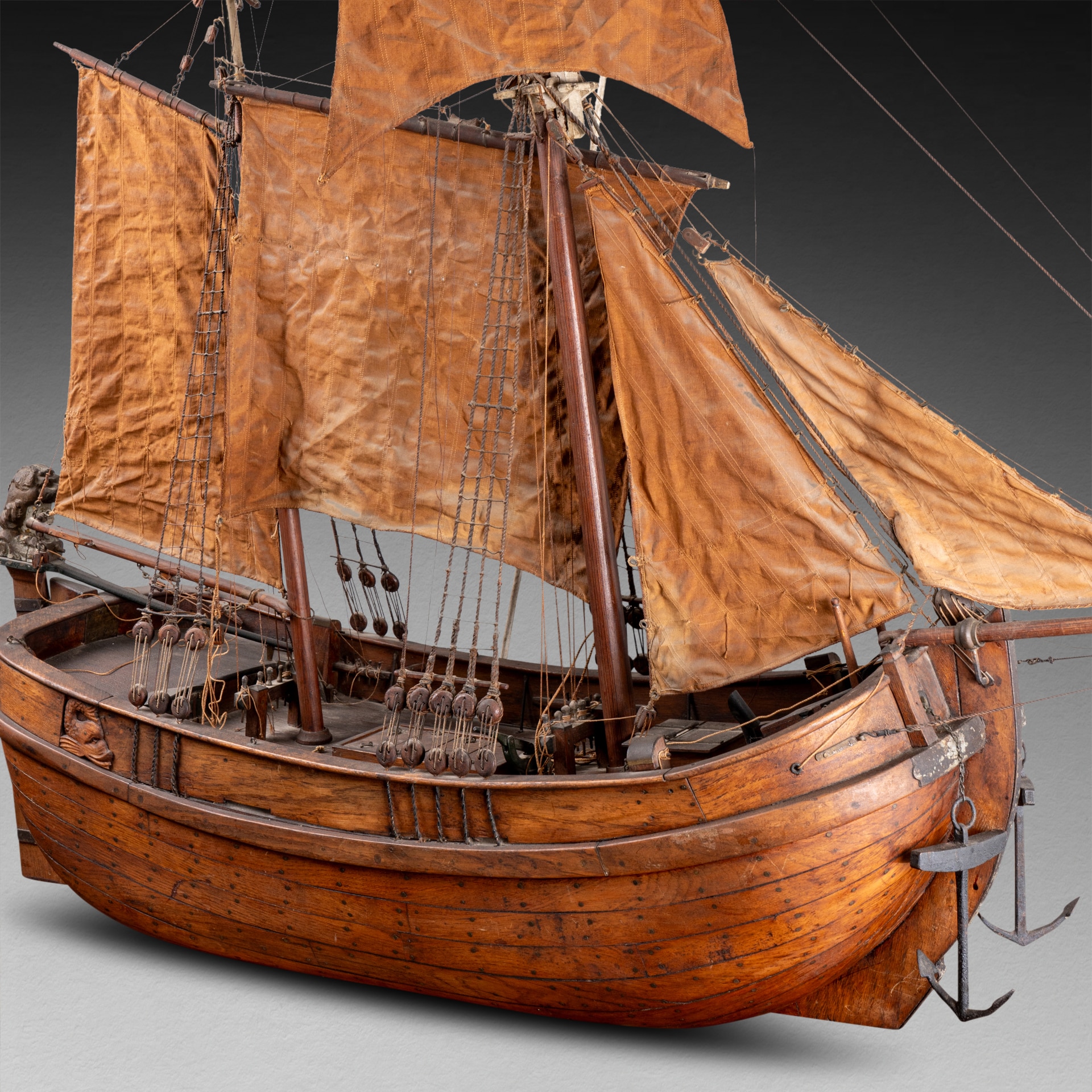
Antique ship models are crafted from carefully selected, high-quality materials. Wood is ubiquitous: pearwood, highly prized for naval models, offers a fine, even grain ideal for delicate parts. Boxwood, dense and precise, is used for carvings and details. Walnut, mahogany, or oak often serve for the hull or base, providing both strength and elegance.
Metal components—brass, copper, and sometimes iron—are used for cannons, fittings, and accessories. Ropes are made of hemp or linen, faithful to the original materials. The quality of an antique model is measured by the finesse of its joinery, the accuracy of proportions, and the technical consistency between the different parts of the ship.
Authentic Models and Reconstructions: Distinguishing Features
Faced with the growing enthusiasm for antique ship models, connoisseurs and enthusiasts alike find numerous reconstructions, some of them highly detailed. Distinguishing an authentic model from a copy requires careful analysis of several elements, including the natural patina, variations in color, and slight deformations due to the aging of the materials—details that strongly suggest an early date.
Traditional assembly techniques, the absence of visible modern glues, and the historical consistency of the rigging are important indicators. A model that is too “perfect,” with uniform rigging or wood without any trace of oxidation or wear, may indicate recent manufacture. Provenance, documentation, and the context of acquisition also play a key role in assessing authenticity.

Collectibles and Living Heritage
Today, antique ship models are considered true works of art. They captivate collectors, museums, and maritime history enthusiasts with their ability to recreate a vanished world. Displayed in a contemporary interior or preserved in a specialized collection, they have lost none of their evocative power or educational value.
Owning an antique model ship means preserving a fragment of maritime history, the fruit of patient craftsmanship and a profound knowledge of navigation. Blending technical precision with a touch of poetry, these objects embody a heritage where humankind, the sea, and time remain inextricably linked.
Autres ressources et documentations
Workshop furnitures
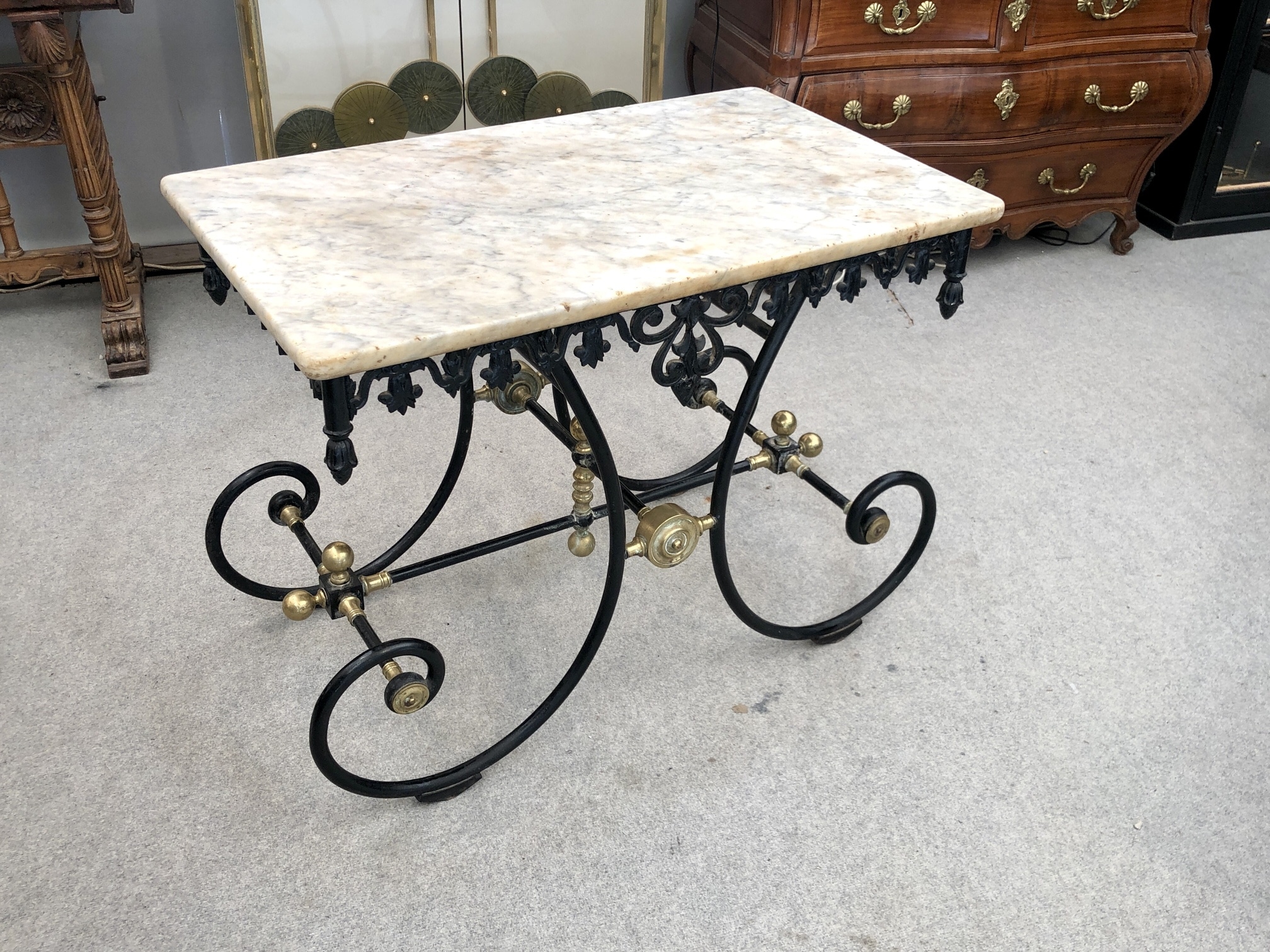
Whether made of wood or metal, from the woodworker to the butcher, including the haberdasher or the draper, trade furniture is a distinct area of antiquity.

Buying an Antique Chest of Drawers
Buying an Antique Chest of Drawers with Confidence: Styles, Marks of Authenticity, and Pitfalls to Avoid

Plaster Sculptures, Plaster Casts
For a long time, plaster casts suffered from a poor reputation. Often regarded as crude replicas, and sometimes even dismissed as inexpensive imitations, they nonetheless had…

The Middle-Ages Furniture
Rare and highly sought-after, Middle-Ages furniture is making a strong comeback. An overview of this market, where enlisting the guidance of a professional is strongly advisable.
Murano Glass Furniture
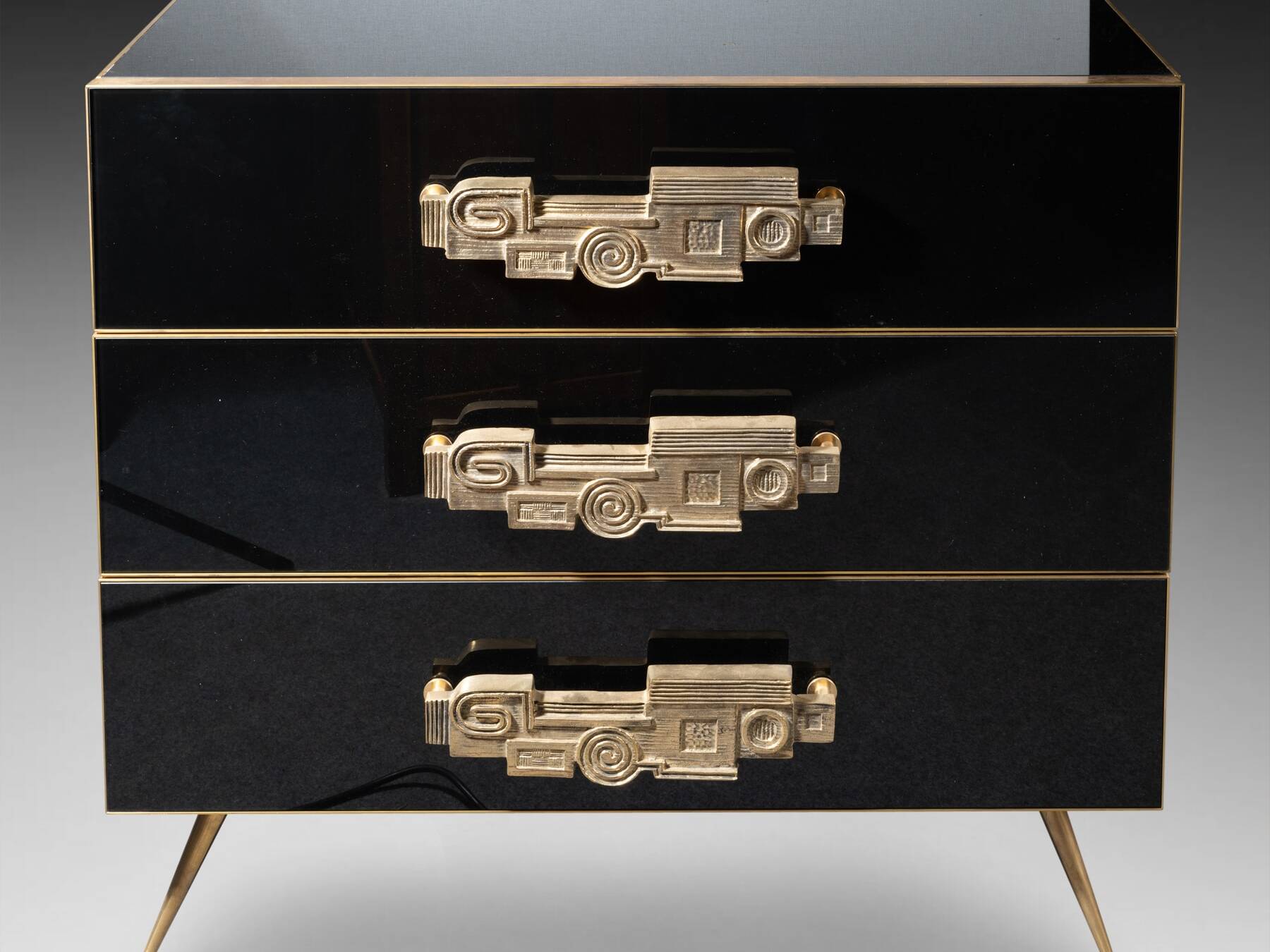
Since the beginning of the 20th century, Murano glassmakers have been exploring new horizons. After classic lighting and decorative art, Murano glass is now used to adorn…

A bronze triton after the sculptures of François Girardon (1628 – 1715) in Versailles
This fountain element is all the more admirable as it is sculpted after the masterpieces of the Pyramid Basin, on the parterre of the North Wing of the Versailles gardens.